Effective Crossbite Treatments

Crossbite treatment can help correct a bite problem in which the upper and lower teeth do not meet properly. A crossbite occurs when one or more upper teeth fit inside the lower teeth when the mouth closes. This bite concern may involve front teeth, back teeth, or both. A dentist can evaluate the bite, explain the cause, and recommend care based on age, jaw growth, and tooth position.
What causes a crossbite
A crossbite may develop for several reasons. Some patients inherit a narrow upper jaw or tooth crowding from family traits. Others develop a crossbite due to thumb sucking, prolonged pacifier use, mouth breathing, delayed tooth loss, or early tooth loss. A crossbite can affect chewing, speech, tooth wear, and jaw comfort. Some patients may notice that the jaw shifts to one side when biting down. Over time, this uneven pressure can place stress on teeth, gums, and jaw joints.
Early evaluation can help identify whether the issue involves the teeth, the jaw, or both. A dental exam may include X-rays, digital scans, bite records, and a review of oral habits. These details help guide crossbite treatment and allow the dentist to recommend a plan that matches the patient’s needs.
Treatment for children
Children may benefit from early crossbite treatment because their jaws the still growing. When a narrow upper jaw contributes to the bite problem, a dentist or orthodontic provider may recommend a palatal expander. This appliance gently widens the upper jaw over time to create more space and improve the way the teeth meet.
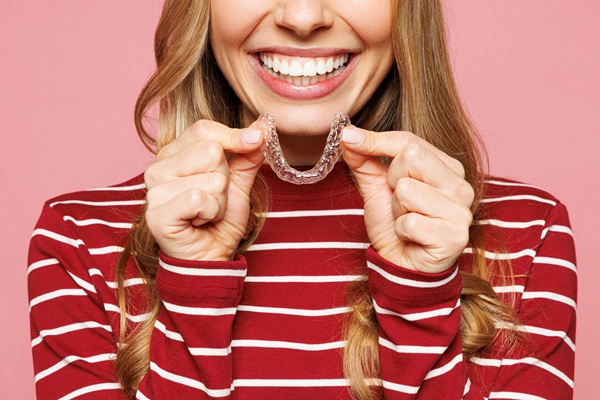
Some children may also need braces or clear aligners after expansion. These options help guide teeth into better positions once the jaw has enough room. Treatment timing depends on the child’s growth, tooth eruption, and bite pattern.
Parents should schedule an evaluation if a child bites unevenly, shifts the jaw when closing the mouth, has crowded teeth, or has trouble chewing. Early care may reduce the need for more involved treatment later. The dental team can also guide habits that may affect jaw growth.
Treatment for teens and adults
Teens and adults can also receive crossbite treatment. The right option depends on whether the crossbite is due to tooth position, jaw structure, or both. Mild cases may respond to clear aligners or braces, while more complex cases may require additional planning.
Common treatment options include:
- Braces to move teeth into corrected positions
- Clear aligners for selected tooth movement
- Expanders for certain patients with narrow arches
- Tooth reshaping or restorations in limited cases
- Jaw surgery for severe skeletal bite concerns
These options can improve bite balance and reduce uneven pressure on the teeth. Adults may need a longer treatment timeline because the jaw has stopped growing. However, many patients can still improve tooth alignment and bite function with orthodontic care. A dentist may also check for worn enamel, gum recession, or jaw discomfort before recommending treatment.
Supporting bite health
Crossbite treatment can improve how the teeth meet and help protect long-term oral function. Routine dental visits allow the dentist to monitor bite stability, tooth wear, and gum health over time. Patients should follow appliance instructions, keep teeth clean, and report discomfort or changes in the bite. With timely evaluation and consistent care, crossbite treatment can support chewing, jaw comfort, and a healthier bite pattern. For more information or to schedule an appointment, call our office.
To schedule a consultation, please request an appointment on our website at https://www.emanuelorthodontics.com or call Michael Emanuel DDS PLLC at (718) 635-4822 to arrange an appointment at our Brooklyn office.
Check out what others are saying about our services on Yelp: Crossbite Treatment in Brooklyn, NY.
Related Posts
Invisalign® is a common type of invisible braces that is developed by Align Technology. Many dentists around the world have used this treatment to fix dental problems. Invisalign is basically a removable orthodontic appliance. It is often offered as an alternative to traditional solutions. It is a good option for people who want a less…
Having an orthodontist treat your teeth can be a long and sometimes difficult journey, but seeing the result of a perfect smile is worth it. But after your braces are removed, it is important to remember that your teeth care does not end there. To ensure that your new smile stays healthy and beautiful, a…
After orthodontic treatment, retainers keep teeth from drifting back toward their original positions. A fixed retainer is a thin wire bonded behind the front teeth, usually canine to canine. Because it stays in place, it provides continuous support for alignment, especially in areas that have crowding or spacing. Patients brush carefully around the wire and…
Malocclusion or misalignment of teeth can severely impact your overall oral health and self-esteem. Many people opt for treatments to address various misalignment issues. Teeth straightening treatments have become more efficient and cost-effective over the years.Here are a few teeth straightening options you might want to consider if you are interested in straightening your smile: Clear…